
An aerospace cleanroom helps protect sensitive hardware, electronics, optics, and mission-critical components from contamination during manufacturing, assembly, testing, and storage. In aerospace and defense work, even small particles can create major problems. Dust, fibers, residue, moisture, and other contaminants may interfere with optical systems, precision assemblies, sensors, avionics, or components that must perform reliably in demanding environments.
What Is an Aerospace Cleanroom?
An aerospace cleanroom is a controlled environment designed to limit airborne particles and manage conditions that can affect product quality. Depending on the process, that may include filtration, airflow, pressure control, temperature, humidity, gowning procedures, and material flow.
Cleanrooms are commonly classified using the ISO 14644 series, which focuses on airborne particle concentration. Instead of judging a room by appearance, classification is based on measurable particle levels in the air. This is important because a room can look clean while still allowing contaminants that are too small to see.
For aerospace work, the required classification depends on the product, process, and contamination risk. Some applications may need a stricter environment for optical equipment or sensitive electronics, while others may need a more flexible controlled space for assembly, inspection, or packaging.
Why Aerospace Applications Need Cleanrooms
Aerospace products are often expensive, complex, and difficult or impossible to service once deployed. Satellites, flight hardware, sensors, lenses, mirrors, and avionics must often function for long periods in extreme conditions. Contamination that seems minor on the ground can become a costly failure point later.
Common aerospace cleanroom uses include:
- satellite assembly and integration
- avionics and electronics manufacturing
- optics, sensors, and lens assembly
- precision component inspection
- defense and military hardware production
- testing and packaging of sensitive equipment
In these applications, contamination control is not just about cleanliness. It supports reliability, repeatability, and long-term performance.
Key Design Requirements
A successful aerospace cleanroom starts with the process. The room should be designed around the work being done, the size of the components, the required cleanliness level, and how people and materials will move through the space.
Important design considerations include:
- Airflow and filtration
HEPA or ULPA filtration is commonly used to reduce airborne particles. Airflow patterns should help move contaminants away from critical work areas instead of creating dead zones or turbulence. - Pressure control
Positive pressure can help prevent outside contaminants from entering the room. In some specialized applications, pressure strategies may vary based on process requirements. - Temperature and humidity
Stable environmental conditions may be needed for measurement accuracy, material stability, or process repeatability. - Doors, pass-throughs, and airlocks
Controlled entry points help reduce contamination from people, carts, tools, and materials. Oversized doors may be needed for large aerospace assemblies. - Cleanable surfaces
Walls, ceilings, floors, and fixtures should be selected for durability, cleanability, and low particle generation.
Hardwall vs. Softwall Options
Modular Cleanrooms provides both hardwall and softwall cleanroom solutions, which allows an aerospace cleanroom to be matched to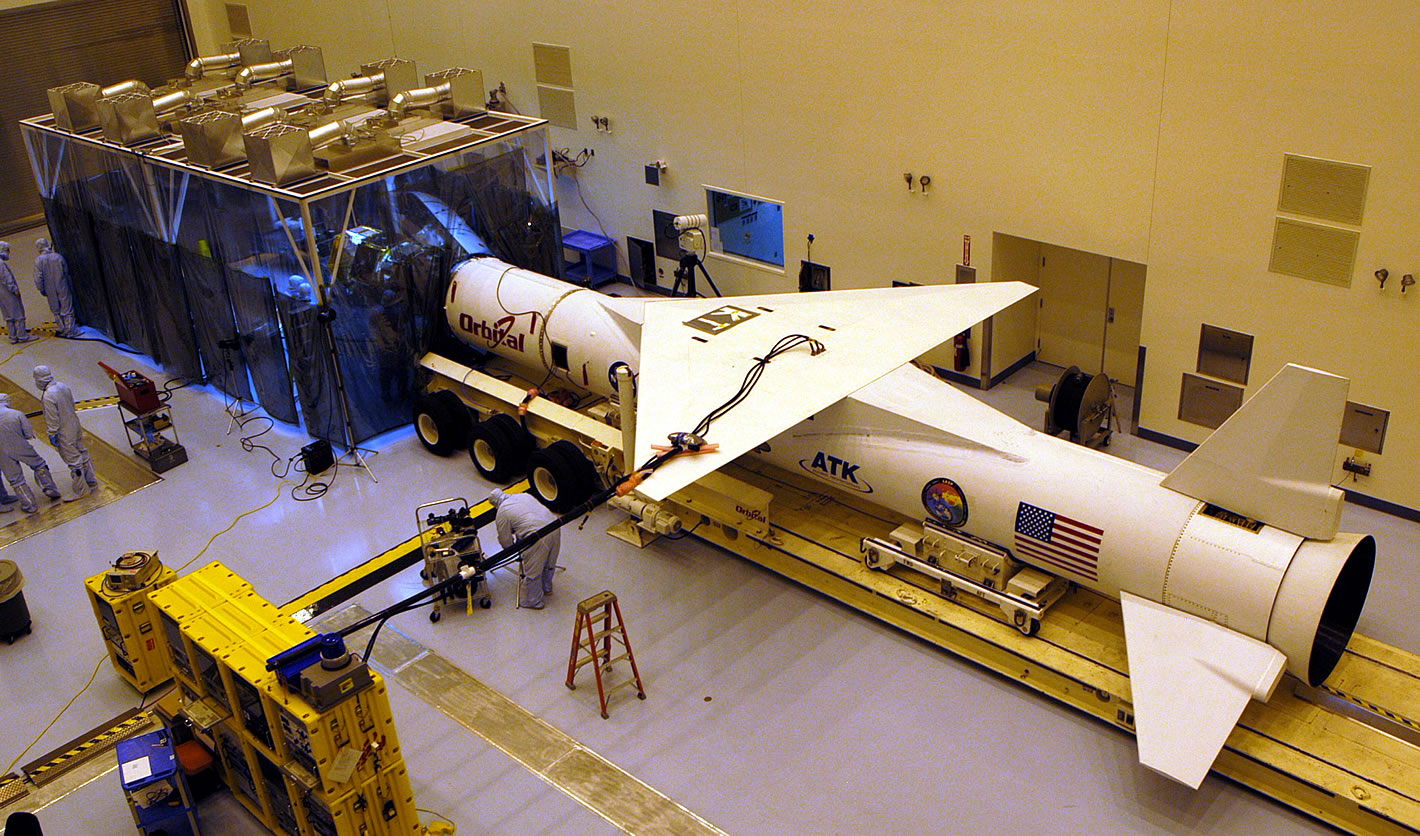 the level of control needed.
Hardwall cleanrooms are often a strong fit for more permanent or stringent aerospace applications because they provide a more robust enclosure and stronger environmental separation. Softwall cleanrooms can be useful for flexible layouts, temporary controlled areas, or projects where cost and adaptability are major priorities.
A modular approach can also help facilities reduce disruption during installation and adapt the space as equipment, workflow, or production needs change.
People and Process Still Matter
Even the best aerospace cleanroom can underperform if daily procedures are inconsistent. Personnel are a major source of contamination, so gowning, cleaning routines, equipment handling, and traffic patterns all matter. Clear procedures help reduce the chance of particles entering the space or settling on sensitive hardware.
Building Confidence Before Launch
Aerospace work leaves little room for error. The right cleanroom design helps protect valuable components before they ever leave the facility. By aligning airflow, filtration, classification, layout, and operational procedures, teams can create a controlled environment that supports both quality and reliability.
At Modular Cleanrooms, we help facilities plan an aerospace cleanroom around real application needs, whether the project calls for a hardwall system, softwall system, custom layout, or future expansion. For aerospace and defense teams, that flexibility can make contamination control more practical, scalable, and dependable.